Person-In-Charge Responsibilities 
Food safety is simple in daily work:
- Wash hands often.
- Keep raw food away from ready-to-eat food.
- Use tongs, deli paper, spatulas, or gloves when required.
- Keep cold food cold and hot food hot.
- Clean and sanitize as you work.
- Tell the manager if you are sick.
The person-in-charge must know these basic rules and make sure employees follow them. During a health inspection, the inspector may ask questions about handwashing, illness, cross-contamination, ready-to-eat foods, temperatures, cleaning, and allergies.
1. Preventing Foodborne Illness
Foodborne illness can happen when germs get into food. Germs can come from hands, raw foods, dirty towels, counters, utensils, or employees working while sick.
Common symptoms include upset stomach, vomiting, diarrhea, fever, cramps, and dehydration. Some customers can become very seriously ill.
Best protection: wash hands, use clean tools, avoid bare-hand contact with ready-to-eat foods, cook foods properly, hold foods at safe temperatures, and clean/sanitize surfaces.
2. Handwashing
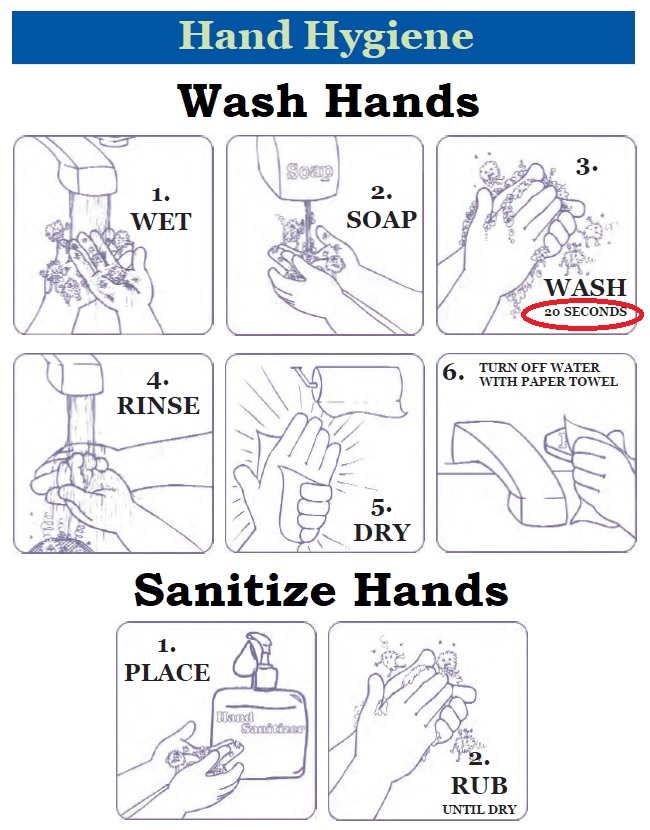
Handwashing is one of the most important food safety steps. Wash hands in the hand sink only, using soap and warm water.
Wash your hands:
- Before starting work.
- After using the restroom, and again before returning to food work.
- After touching hair, face, body, clothing, phone, money, garbage, or dirty dishes.
- After coughing, sneezing, eating, drinking, or using tobacco.
- After touching raw food.
- Before handling ready-to-eat foods or putting on gloves.
- Any time hands may be dirty or contaminated.
How: wet hands, apply soap, scrub for 20 seconds, rinse, and dry with paper towel.
3. Personal Cleanliness
Employees can contaminate food if they are not clean and careful.
- Wear a clean hat or visor.
- Wear a clean uniform and apron when cooking.
- Remove jewelry from hands except a plain wedding band.
- Keep fingernails trimmed and clean. No fingernail polish or artificial nails.
- Cover cuts or sores with a waterproof bandage and glove.
- Do not eat or drink near food, prep areas, or the cook line.
4. Cross-Contamination
Cross-contamination means germs are moved from one place to another. The most common risk is moving germs from raw food, hands, gloves, counters, towels, or utensils onto ready-to-eat food.
Ready-to-eat foods (RTE foods) are foods that receive no more cooking before the customer eats them. Examples include bread, toast, buns, cheese, lettuce, tomatoes, pickles, raw onions used as toppings, cooked eggs, cooked pancakes, and finished sandwiches.
Main rule: ready-to-eat foods should not be touched with bare hands. Use tongs, deli paper, a spatula/turner, single-use gloves, or another approved tool.
Gloves do not make dirty hands safe. Wash hands before putting on gloves. Use gloves for one task only. Change gloves when switching tasks.
5. Special Focus: Handling of Raw Foods and Ready-to-Eat (RTE) Foods
Not just another training topic. These are required cook-line procedures.
1. Raw Foods are handled with Bare Hands
2. Ready-to-Eat (RTE) foods are handled with a bakery tissue, tongs, or gloves, never with bare hands.
1. Raw foods before cooking - Use Bare Hands
We start by separating raw foods from foods that are ready-to-eat. Raw foods will still be fully cooked before serving. Ready-to-eat foods receive no further cooking before the customer eats them.
Raw foods are foods that will be fully cooked before serving. Raw foods may be handled with bare hands before cooking, but employees must wash hands before switching tasks or handling RTE foods.

May be handled before cooking. Wash hands afterward.

May be handled before cooking. Wash hands afterward.

May be handled before cooking. Wash hands afterward.
2. Use bakery tissue, tongs, or gloves,
not bare hands, to handle RTE foods.

Bakery Tissue
For buns, bread, toast, and holding sandwiches while cutting. Use once, then discard.

Pom Tongs
For cheese, lettuce, tomatoes, onions, pickles, and toppings. Keep the tongs with the container.

Spring-Loaded Tongs
For bread into toaster, removing toast, and handling buns.

Single-Use Gloves
For dedicated prep, packaging, or high-volume RTE tasks. Wash hands first. Use for one task only.

Utensil Tray
Keep RTE tongs and utensils in the designated tray, not on counters or random surfaces.

Pre-Cooked Breakfast Sausage Links/Patties are RTE foods.
These food items are fully cooked by the manufacturer and are safe to eat right out of the package. We place them on the grill to warm them and improve flavor. That heating is not a full safety cooking step to kill germs.If germs are transferred from hands onto pre-cooked sausage, the brief heating on the grill may not kill those germs before the food is served.
- Use pom tongs to remove pre-cooked sausage links and patties from the refrigerator or container and place them on the grill.
- After heating, remove them from the grill, and onto the plate, with the grill turner.

Bread and Toast - Both are RTE Foods
Bread, and Toast are RTE foods and must be handled with tongs, or bakery tissue.
- Use pom tongs, spring tongs, or bakery tissue to place bread into the toaster.
- Use pom tongs, or spring tongs or bakery tissue to remove toast from the toaster.
Special Toast/Eggs Preparation Sequence
This is a common preparation breakfast procedure. Follow this sequence:
- Bread into Toaster: Use tongs or bakery tissue to drop bread into toaster.
- Eggs into Pan or Bowl: Use your hands to crack the raw shell eggs into the egg pan or scramble bowl for cooking.
- Wash hands, or remove and discard gloves if used.
- Remove toast from the toaster: Use spring-loaded tongs to place the toast on top of deli paper / bakery tissue lying on the grill board.
- Fold the deli paper: enough to wrap toast by edges while brushing it with Butter Flavored Oil from the pan.
- Plate the Toast: Continue to hold the toast with deli paper while cutting and plating it.


Butter-It® Butter Flavored Oil
Preparing Hashbrowns, Eggs, and Grilled Sandwiches
The squeeze bottle helps employees work quickly while avoiding bare-hand contact with RTE foods.- For hashbrowns, squeeze a small amount onto the raw product.
- For eggs, fried or scrambled, and omelets, squeeze a small amount into the egg pan.
- For grilled sandwiches, squeeze oil on the grill and move bread with a turner.

Handling Single and Multiple Buns
- One bun or several buns: use spring-loaded tongs or bakery tissue to place top bun(s) on the grill for warming. Bottom bun(s) go on the plate or grill board
- Many buns / high volume: wash hands, put on clean gloves, use gloves, then discard gloves.

Cold RTE Toppings / Assembly Items
Sliced Cheese, Lettuce, Tomato, Pickles
Cold toppings on hamburgers and sandwiches such as cheese, lettuce, pickles, and tomato slices are ready to serve.

Use the tongs kept in the containers for each item.
- Do not grab cold RTE toppings with bare hands.
- Do not move tongs from one container to another unless the tongs are cleaned and sanitized first.
- Keep the tongs with the correct container so employees do not have to search for a tool.
Fresh Sliced Onions - An RTE Food
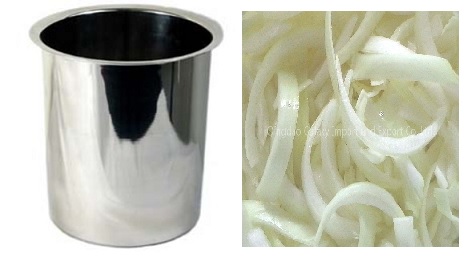
When a customer orders raw onions, the onions are added to the hamburger after the hamburger has been cooked.
- The onions receive no further cooking before the customer eats them.
- Use the pom tongs kept in the onion container.
- Add the raw onions to the finished hamburger before placing the top bun.
Fried Onions for Hamburgers

When a customer orders fried onions, the onions can be placed on top of the raw hamburger patty with bare hands. Shortly after, the patty is flipped over, and the onions cook with the meat.
- The onions are the same fresh sliced onions, but in this method they are cooked with the hamburger patty.
- Therefore you may use bare hands to place the onions on top of the raw hamburger patty while it is on the grill.
- A small squirt of water may be added to help start the cooking process.
- When the hamburger is flipped, the onions cook with the meat.
Cooked / finished RTE foods
Once a food is cooked or assembled and ready for the plate or bag, it is an RTE food. Use a tool, barrier, or clean task-only gloves.
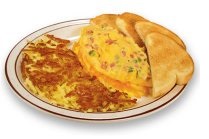


Fried or Scrambled Eggs, Omelets, Scramblers
Slide the cooked eggs from the egg pan to the plate without touching the prepared eggs.

Finished burgers and burger plates
Use turners, tongs, bakery tissue, or clean task-only gloves. Do not touch finished sandwiches with bare hands.
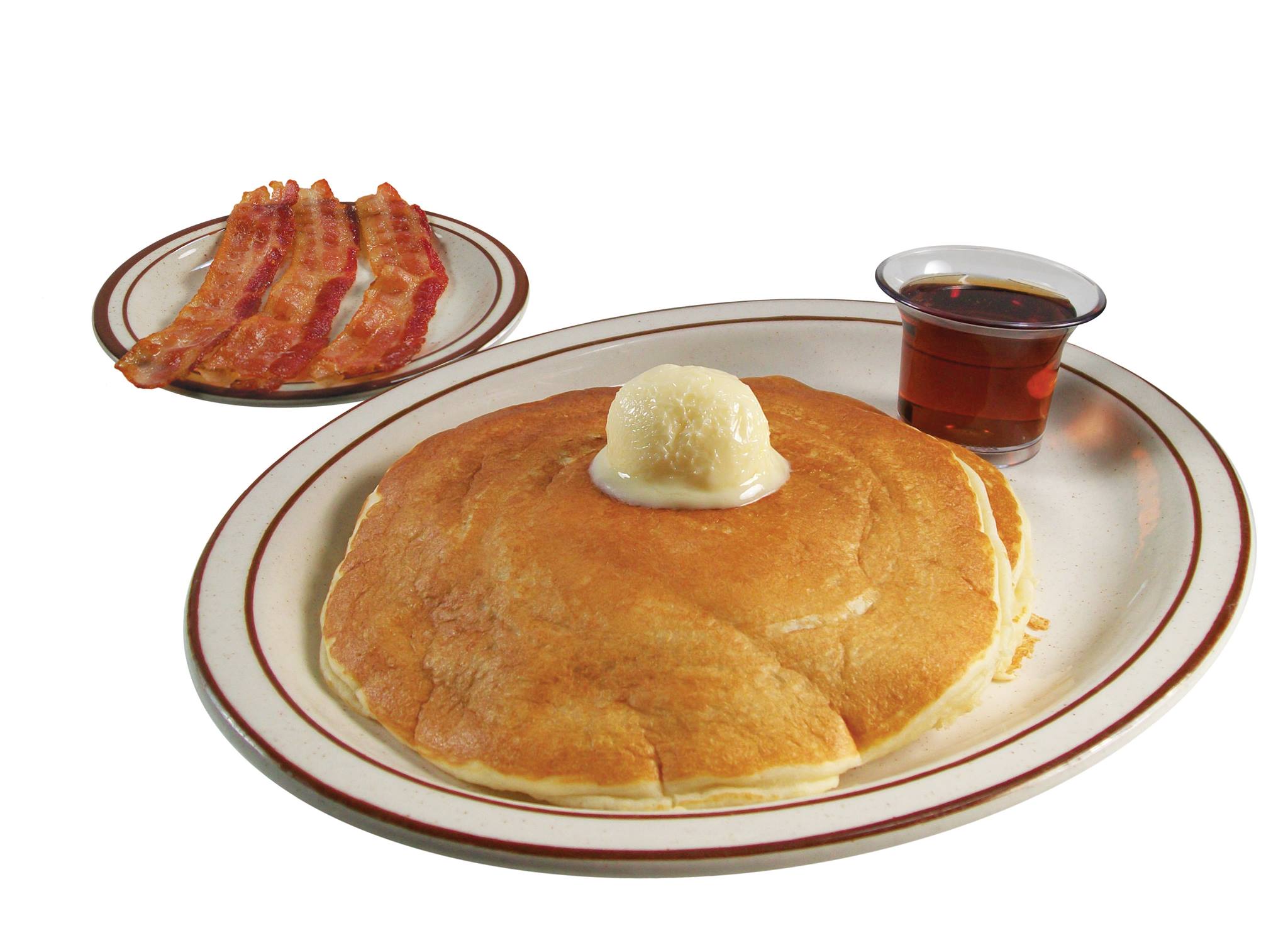
Wheatcakes, pancakes, and French toast
Use the turner and spring-loaded tongs to position them on the plate.

Toast sandwiches and handheld sandwiches
Use bakery tissue while cutting or handling finished sandwiches. Do not touch finished sandwiches with bare hands.
Rule: Use a turner, tongs, bakery tissue, or clean task-only gloves.
Gloves are not magic.
A dirty glove can contaminate food the same way a dirty bare hand can. Do not wear gloves and touch everything.
- Wash hands before putting on gloves.
- Use gloves for one task only.
- Change gloves when switching tasks.
- Remove and discard gloves when the task is finished.
Prep Work Items and Gloves
Some prep work items require gloves, and some do not. The difference is whether the food is already an RTE food or will still be fully cooked before it is eaten.
Ready-to-eat prep items such as cheese, desserts, cole slaw, sauces, toppings, and other finished or no-cook foods require gloves or another approved barrier. Raw or frozen items that will be fully cooked may not require gloves.
Click here to see which prep work items require gloves.
Manager / Person-In-Charge Responsibility
Managers and person-in-charge employees must train, monitor, and enforce RTE procedures. The required tools must be available at the cook line, and employees must follow the procedures at all times.
6. Exclusion and Restriction of Ill Employees
Do not work around food when you may spread illness. Tell the manager right away if you have vomiting, diarrhea, jaundice, fever, sore throat with fever, or infected/open sores.
- Vomiting or diarrhea can spread illness quickly through food and surfaces.
- The manager may exclude you from work or restrict you from food handling.
- Report diagnosed foodborne illnesses such as Salmonella, Shigella, E. coli O157:H7, or Hepatitis A.
7. Time and Temperature Control of Foods
Bacteria grow quickly in the Temperature Danger Zone: 41°F to 135°F. Keep cold food cold, hot food hot, and move food through the danger zone quickly.
- Cold holding: keep food at 41°F or below.
- Hot holding: keep food at 135°F or above.
- Reheating soups/chili: reheat to 165°F within 2 hours, then move to hot holding.
- Cooling: cool from 135°F to 70°F within 2 hours, then to 41°F within 6 hours. This rarely applies in daily operations.
- Thawing: thaw in the refrigerator when possible.
Using Time as a
Control: Egg Trays 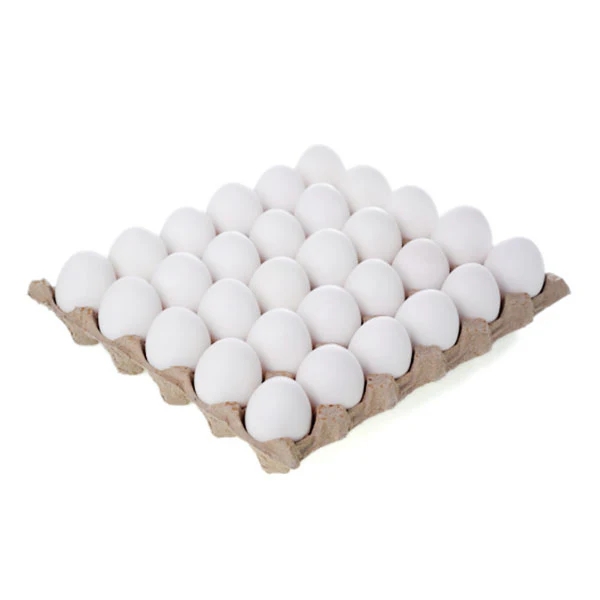
- Raw shell eggs normally stay refrigerated.
- During busy breakfast, one or two trays may be held out for active use only.
- Mark the tray with the discard time (4 hours after removal from refrigeration).
- Do not return that tray to the refrigerator.
- Discard eggs when the marked time is reached.
When in doubt, throw it out.
8. Cleaning and Sanitizing
Clean removes food and dirt. Sanitizing reduces germs. Both are needed.
Sanitizing Towels Must Be Stored Properly 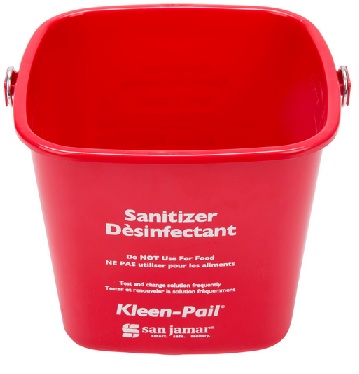
- Red buckets hold quat sanitizer for towels.
- One red bucket is under the front counter. One is at the dish sink.
- Towels must be in your hand or fully submerged in the red bucket.
- Never leave towels on counters, prep tables, beverage stations, or dining tables.
- Sanitizer must test at 200–400 ppm.
- Replace sanitizer every 2 hours or sooner if dirty or weak.
Green Wash Bucket 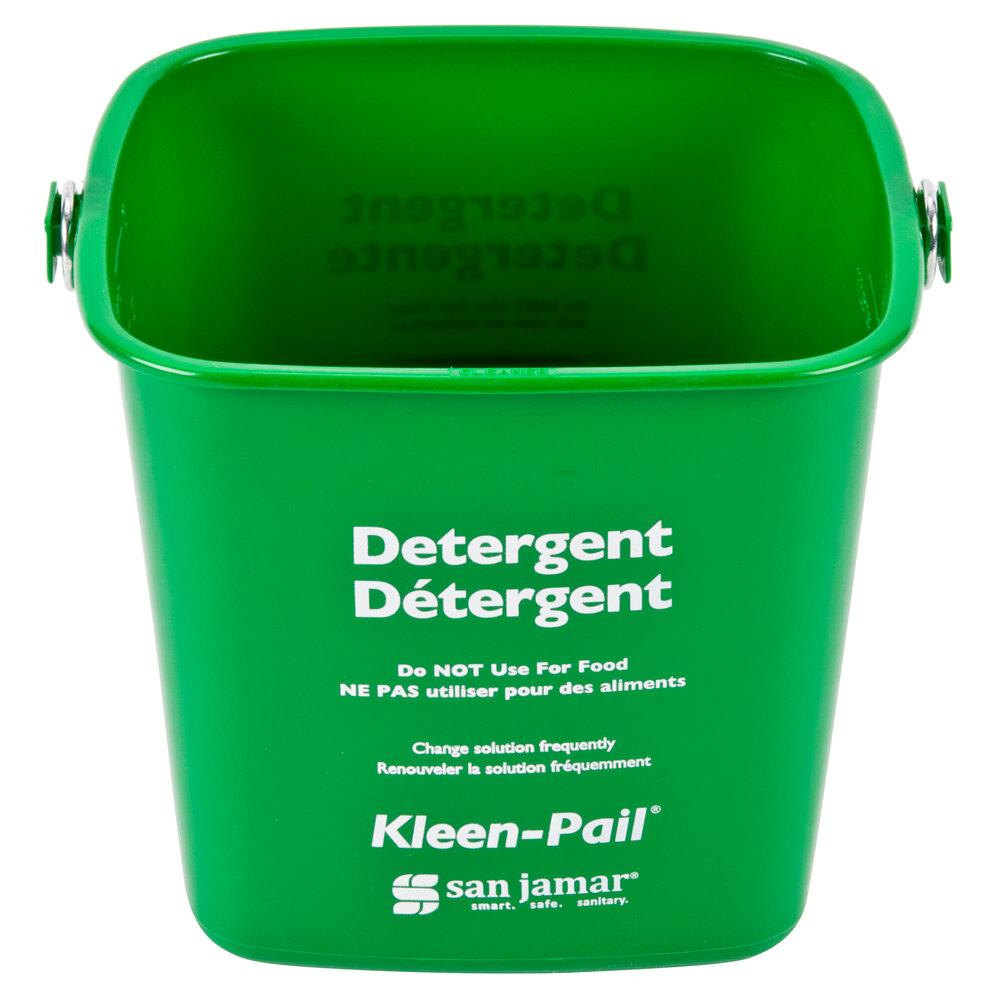
The green bucket has hot, soapy water. Use it to wash out dirty towels before returning them to sanitizer or hanging them for heavy kitchen use.
Towel Use
- Use clean towels for guest-facing areas.
- Store towels in the red sanitizer bucket between uses.
- Rinse dirty towels in the green bucket.
- Hang greasy towels for heavy kitchen use before sending to laundry.
- Use towel supply carefully so it lasts the week.
9. Proper Cooking Temperatures
We usually cook by appearance, but the safe minimum temperatures are:
- Hamburger: 155°F
- Eggs such as omelets: 155°F
- Chicken tenders: 155°F
- Steaks: 145°F
- Fish: 145°F
10. Food Storage Methods
First In, First Out (FIFO)
Use older product first. Put new product behind older product.
Date Marking
Ready-to-eat potentially hazardous foods must be marked with a discard/use-by date. In our operation, use no more than seven days for items like desserts and prepared refrigerated items.
- Label desserts before placing them in the display case.
- Label prep bins when preparing foods such as omelet mixes, French fries, and other frozen items.
- If a date is missing or unclear, ask the manager.
11. Food Allergy Procedures
Food allergies can be life-threatening. Listen carefully when a customer says they have an allergy.
- If you do not know whether a food contains an allergen, say you do not know and ask the manager.
- Prevent cross-contact from hands, gloves, pans, fryers, grills, counters, knives, cutting boards, utensils, splashing, and scraping food off an item instead of remaking it.
- Never guess about ingredients.
- If a customer has an allergic reaction, call emergency medical services immediately and keep the person from standing up.
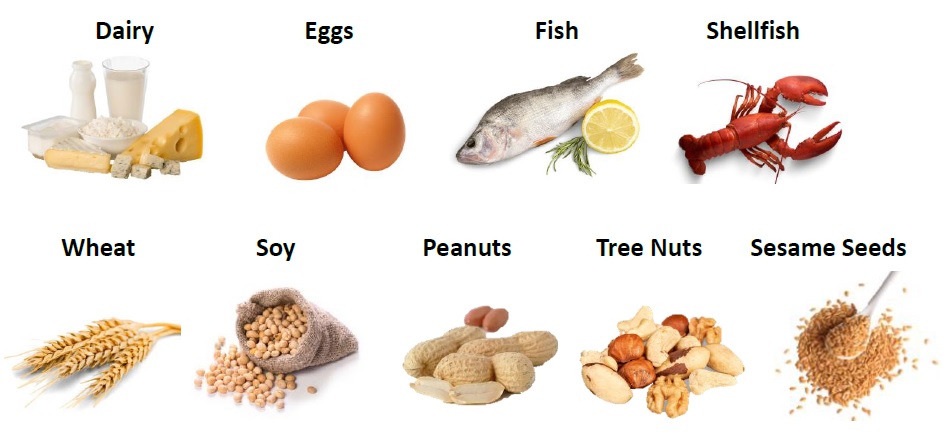
Major Allergens
Certification of Training
To complete this training, take the Food Safety Quiz and Sign-Off.
The quiz records your name, email, phone number, score, topic results, and training acknowledgement.